
How to survive Spinal Fusion Surgery
This is a list of products you can find on Amazon that I used to get through, ultimately, six major surgeries from December of 2018 to October of 2020. Four of those six surgeries were spinal neurosurgeries, and one was a hysterectomy.
Note: Originally, I published this list for my old blog, Nerdzilla Lives!, as well as the website SpineNation. However, SpineNation closed its doors in 2021. I decided to republish it, with updated links, in 2026 because I think it’s valuable for anyone approaching spine surgery.
Introduction
When preparing for spine surgery, you have enough to consider and worry about without trying to anticipate every handy tool you may need during recovery. I’m the spine patient of questionable sanity who had four neurosurgeries in just 11 months. These surgeries included a temporary spinal cord stimulator implant, the permanent implant, a single-level cervical fusion at C-6-C-7 with discectomy, and a four-level thoracolumbar fusion at T10-L2, with discectomy and multiple laminectomies.
I had varied periods of post-op restrictions, such as not lifting my arms over my head, no bending or twisting, no lifting, no showering, etc. As such, it came to my attention that just about everything we do engages the back muscles in some way. Those restrictions made sense to me, but it wasn’t until I got home after surgery that I would discover just how difficult it is when you can’t brush or wash your hair for days or weeks at a time.
The most painful and difficult learning curve for me came with that thoracolumbar fusion. I am about 6’ tall now that my spine is straightened out and cobbled together with bits of metal and screws. That meant sitting on a low toilet or on the mid-century-modern-style furniture I had at the time was nearly impossible.
Let my lessons learned the hard way serve as reassurance, and consider picking up a few of these items before your own spine surgery. I’ve put together a list of six products you may not be able to live without post-op.
Make it stand out
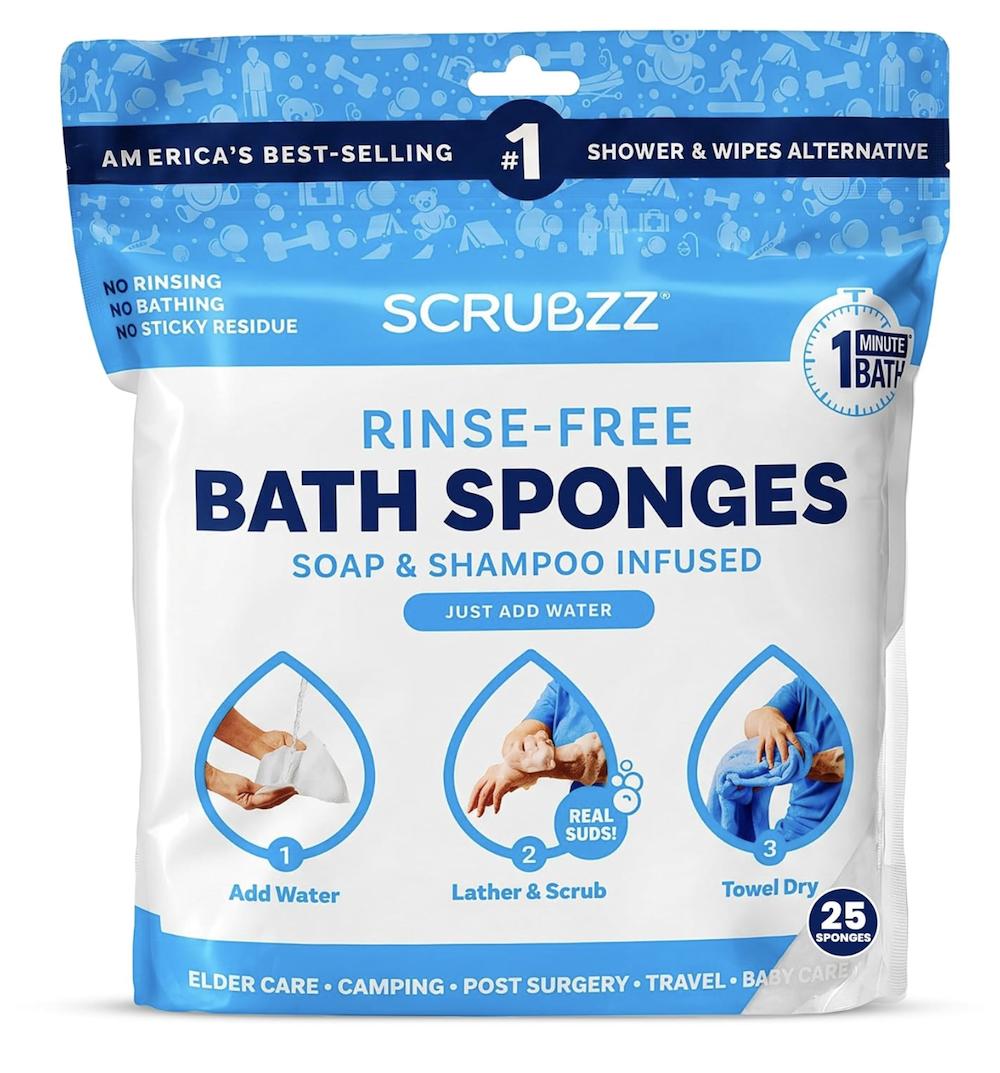
Can’t shower? Can’t bathe? No worries! These handy rinse-free wipes were my trusted helpers after each of my spinal surgeries. I relied heavily on these because they significantly improved my comfort and hygiene.
One of my favorite features is that they’re gentle on sensitive skin and have no strong odor, so they didn’t bother my allergies at all. Better than that? You get a pack of 20 for less than $9! That is a crazy amount of value.
After some of my surgeries, I couldn’t bend or twist, which meant relying on loved ones to help with the sponge baths. These wipes made bathing as quick and painless (and least embarrassing) as possible. Run some warm water to wet the wipe and suds it up, wipe over your skin, and voila! You’re bathed and don’t feel (or smell) like garbage.
Make it stand out
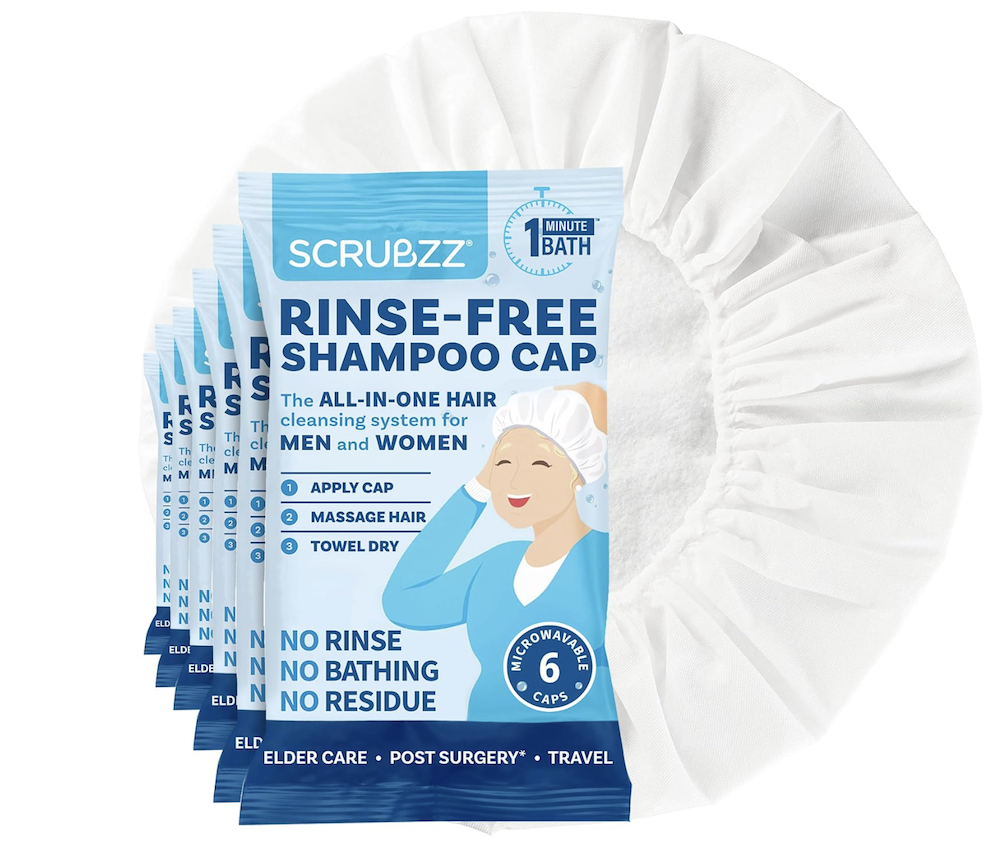
When I had my temporary stimulator implant for a week, I wasn’t allowed to shower at all. For my cervical fusion, I couldn’t shower for several days. And after that thoracolumbar fusion, I think it took a week and a half to work up the nerve to get upstairs to the only working shower.
I have fine hair that looks greasy after 1-2 days without a wash. So, I was worried about how gross it would be by the time I had the implant removed. I tried dry shampoo. It felt like I had a gross buildup in my hair and irritated my allergies. I was thrilled to find these caps.
The feeling of clean hair, free of any stink, was a huge relief. Anything you can do to make yourself more comfortable post-op will be worth it, trust me. These rinse-free caps helped me feel more normal and confident during recovery.
Make it stand out
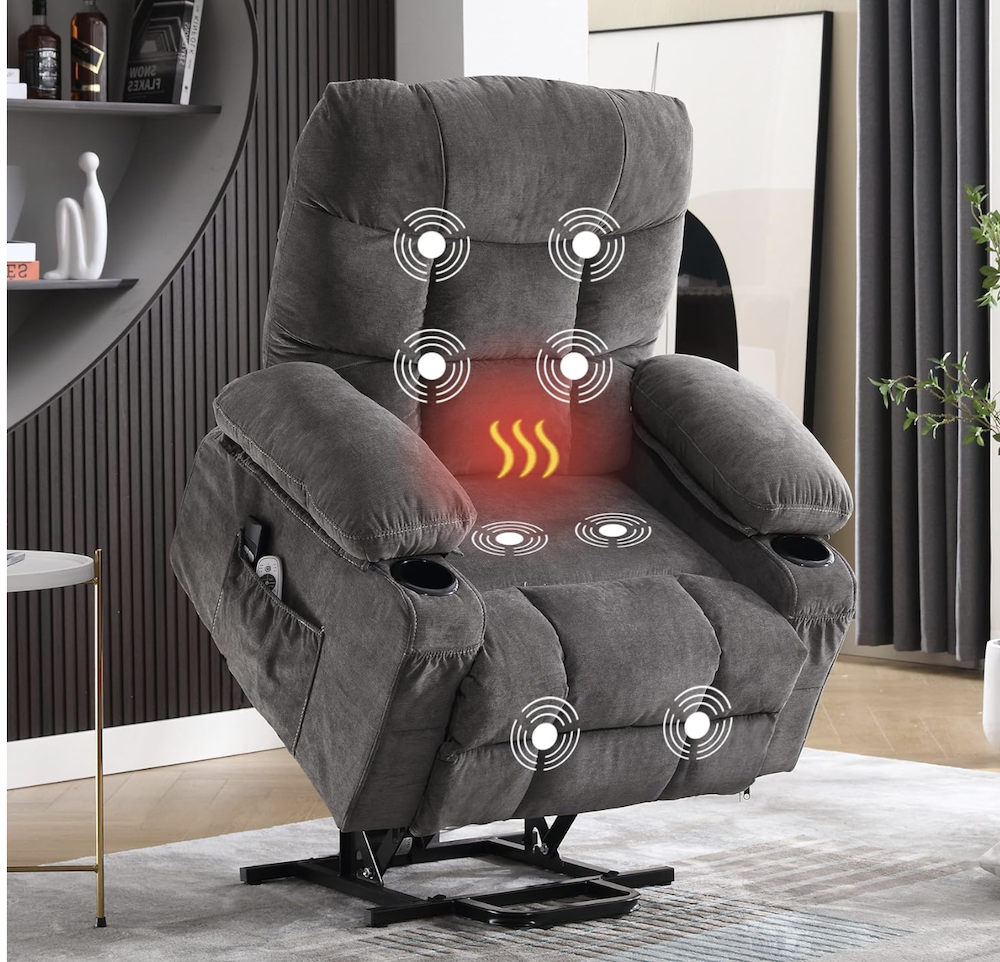
After my thoracolumbar operation, I discovered just how much furniture height matters! You may recall that earlier in the blog, I mentioned my mid-century-modern-style furniture was too low to the ground. Within the first hours of being home, it was clear that this was a drastic situation that called for a revolutionary solution. Thus, the power lift recliner was purchased.
Not everyone can afford to buy a lift recliner for several hundred dollars; I realize that. You may also check your local medical supply store. They often have rental options if you don’t want the eyesore of a medical lift recliner in your living space long-term. (This one is less than $300 to have to keep forever!)
Here’s what I know: for the first year post-op from the thoracolumbar fusion, I basically lived in my medical lift chair with heat and massage. These bonus features felt especially good on my poor back muscles, which had been cut open across my thoracic and lumbar spine. The zero-gravity or lay-flat reclining option is especially clutch if you’re limited in the time you can spend sitting upright without a pain flare.
Make it stand out
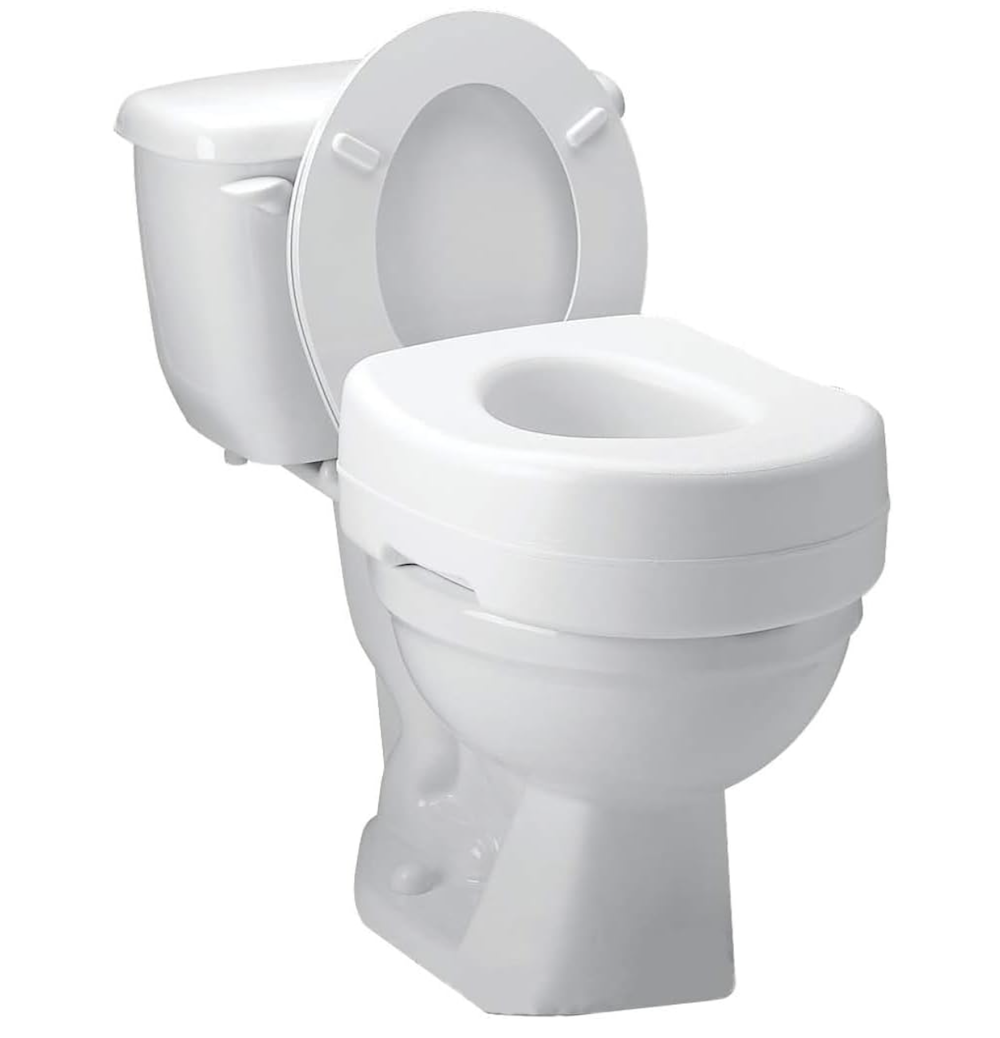
Short furniture wasn’t the only problem I encountered during recovery. I lived in a house built in 1948 when I had my surgery. The house still had all of the original bathroom elements and fixtures. That meant that the toilet was also incredibly low to the ground. Or maybe it just seems that way when you are 6’ tall and aren’t allowed to reach or bend for several weeks.
This particular riser is 5” high, which was the highest I could find. I used mine up to a year or more post-op, so I definitely got my money’s worth out of it! They also have options with handles, if you need the extra leverage to push yourself off the toilet. Make sure to check the weight limit on whatever furniture or seat riser you may purchase! Some lessons are better not learned the hard way.

Make it stand out
Liquid Calcium and Vitamin D3 Supplements
My mom, the nurse, told me before my spine surgeries that I should take a calcium citrate supplement throughout recovery and beyond to aid in healing and cell production. Of course, thanks to brain fog from pain, I forgot. A couple of weeks after my second or third surgery, I noticed my fingernails were paper-thin.
Suddenly, I remembered what my mom had said, and ordered supplements immediately. Recently, I was chatting with a retired neurosurgeon who also happens to be my landlord, who told me that the number one reason for failed spinal fusion surgeries is low Vitamin D. Allow me never to go off my supplements again!
It’s been about seven years post-op now from the last spinal fusion, and I would love to suggest that if you don’t take calcium citrate and Vitamin D3 supplements, you start. I want to suggest further that it’s way easier for our bodies to absorb liquid drops than pill-form supplements, especially for those of us with complicated and hidden medical histories.
It took me five years to get my magnesium, vitamin D, and calcium levels to the green areas of the result charts. When I finally switched to liquid supplements on the advice of my holistic doctor/applied kinesiologist, my levels were all in the green within 90 days.
Make it stand out
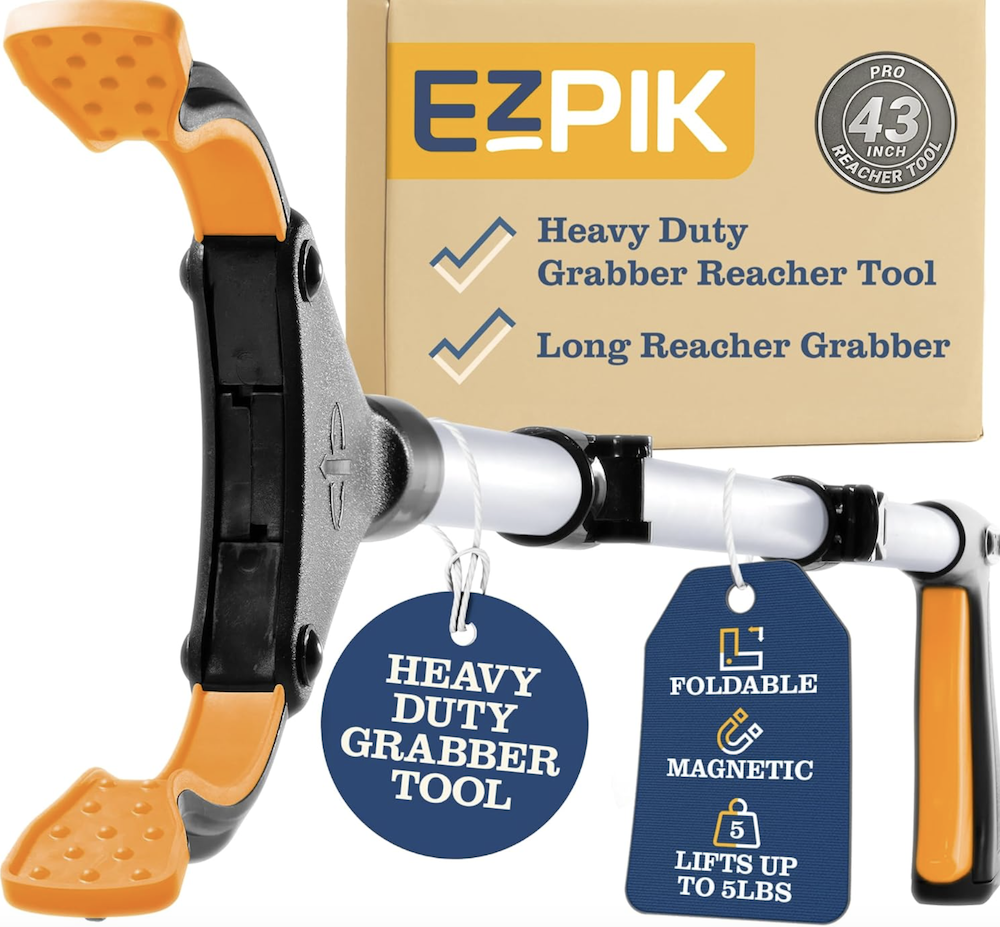
I had wonderfully kind and friendly nurses and occupational therapists at the hospital. They helped me get the hang of walking and stepping up and down stairs again after my big fusion. They also gave me tools to take home, including a grabber tool.
The problem for me was that the grabber they gave me was pretty short, maybe 20 inches. I couldn’t avoid bending down to pick things up with such a short length. My dang legs are longer than that!
It also wasn’t very sturdy, so it didn’t so much ‘grab’ things as gently and ineffectively caress them. Even a pair of my blue jeans proved too much for the standard hospital-issued grabber. The grabber recommended here is more than twice the length at 43 inches. I even use it for yard work and to pick up sticks.
This grabber is sturdy and lightweight because it is made from aluminum. It’s totally manageable to use and move where you need it, plus it has rubber grips on the grabber so that you can pick up a heck of a lot more than a t-shirt. It is even magnetic!
In closing
You may find other things you need as you embark on your surgical recovery, but I feel confident that this list is full of must-haves. These products all helped me survive 11 months and four neurosurgeries’ worth of pain and rehabilitation. I hope they help you the same. If you can think of anything I should add to this list, feel free to email me at hello@kellyjmendenhall.com to share your suggestion, or comment on the blog!